June 4, 2026
June 4, 2026
Trying to choose between a historic home and a contemporary one in Pasadena? It is a meaningful decision in a city where architecture is part of daily life and home values are high enough that maintenance, resale, and long-term fit all matter. If you are weighing charm against convenience, or originality against efficiency, this guide will help you compare both paths with more clarity. Let’s dive in.
Pasadena stands out for its architectural range. The city is widely regarded as a center of architecture in Southern California, with late-19th-century homes, 1920s period-revival neighborhoods, and notable postwar modernist work all part of the local housing landscape.
That variety gives you real options, but it also makes the decision more nuanced. Pasadena has 47 landmarks, six historic districts, and more than 1,000 properties in the National Register of Historic Places, so the style you choose can affect not only your lifestyle but also your future maintenance and improvement plans.
The financial side matters too. With the 2024 ACS median value of owner-occupied housing units in Pasadena at about $1.21 million, buyers need to think beyond first impressions and look closely at operating costs, upkeep, and resale potential.
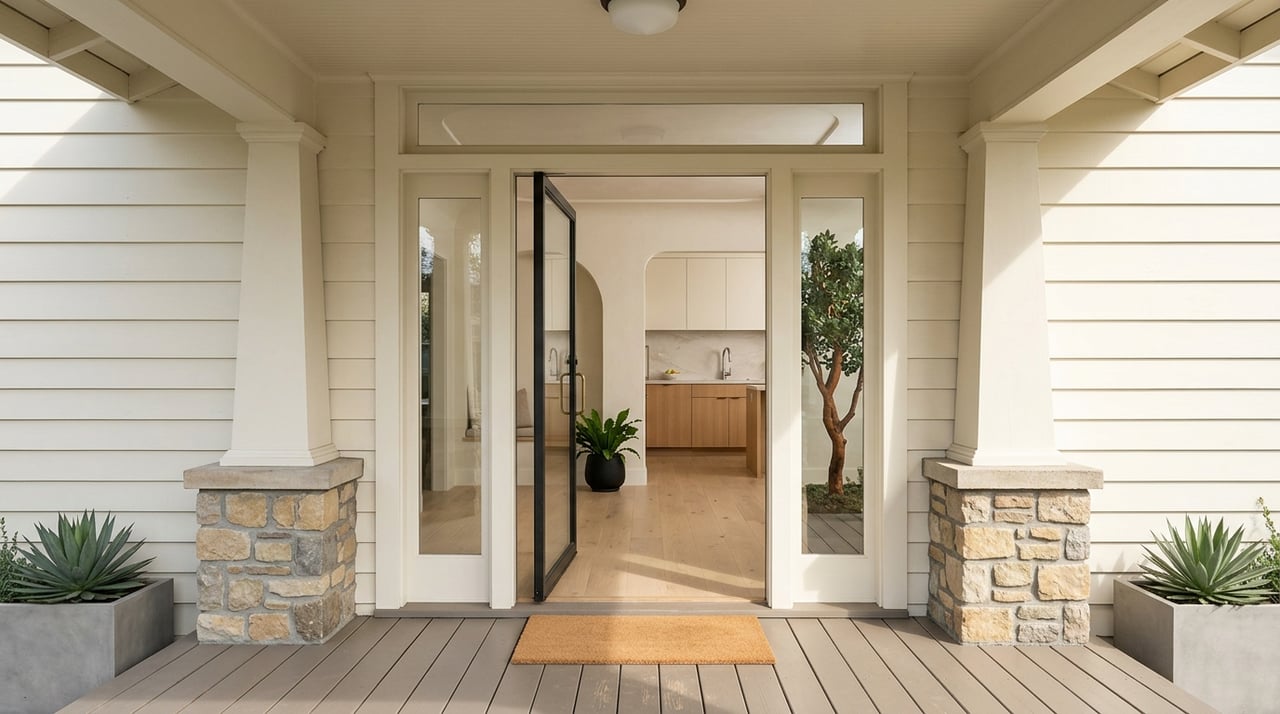
In Pasadena, historic homes often mean Craftsman, California bungalow, or Spanish Colonial Revival. These are some of the defining styles identified by the city in its historic context materials.
Craftsman and bungalow homes are known for low-pitched roofs, wide eaves with exposed rafters, and inviting front porches. They often offer a sense of craftsmanship and detail that feels hard to replicate in newer construction.
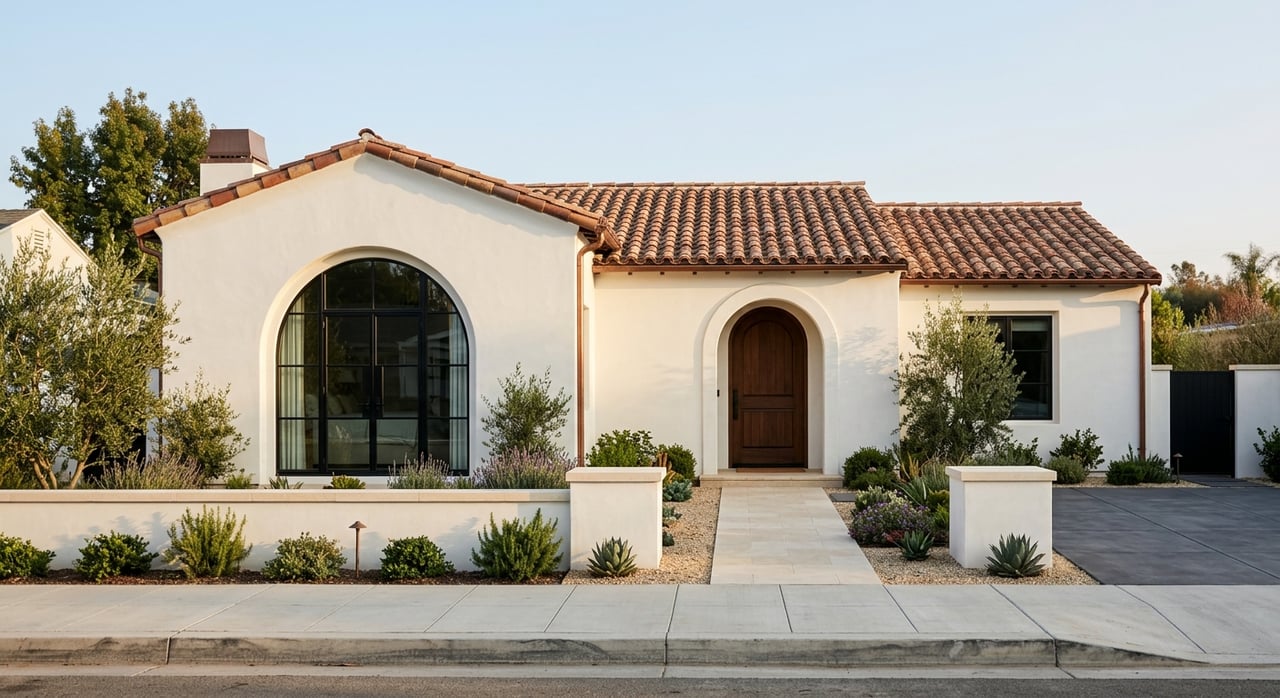
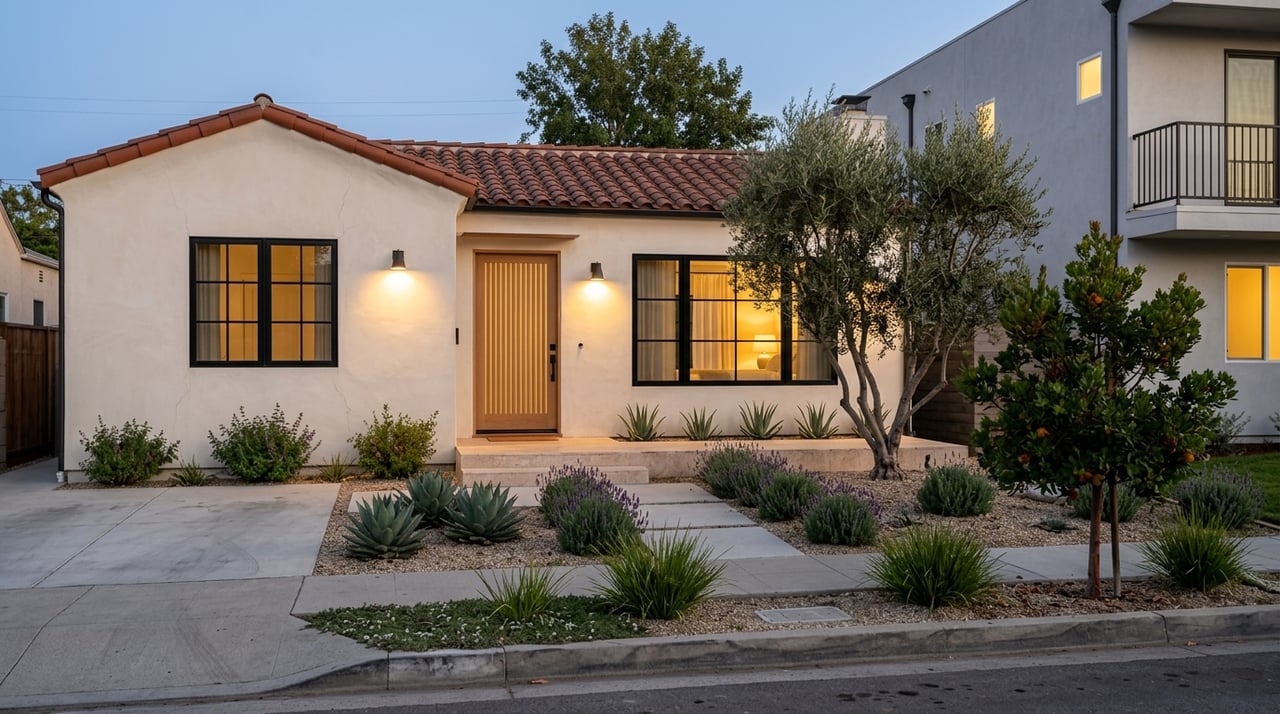
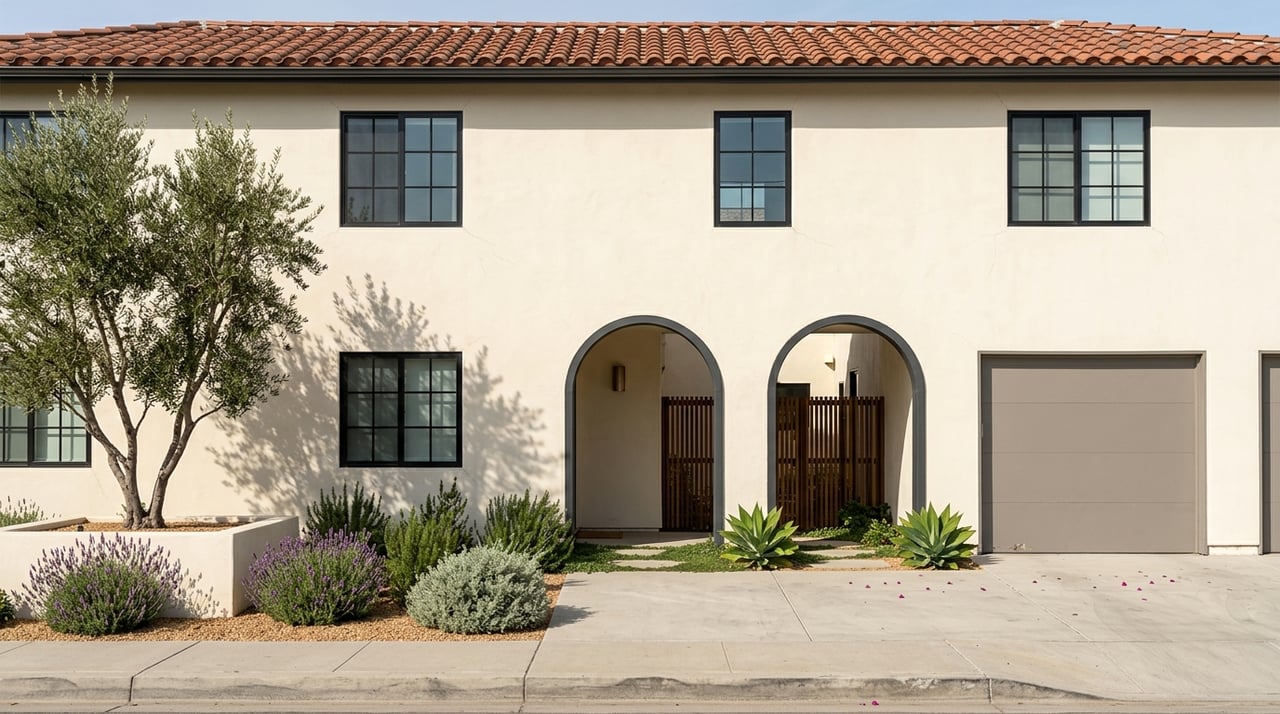
Spanish Colonial Revival homes bring a different kind of character. You will often see stucco walls, clay tile roofs, arched openings, recessed windows, and patios that create a strong indoor-outdoor connection while still feeling rooted in traditional design.
For many buyers, the appeal is emotional as much as practical. A historic home can feel distinctive, layered, and closely tied to Pasadena’s identity.
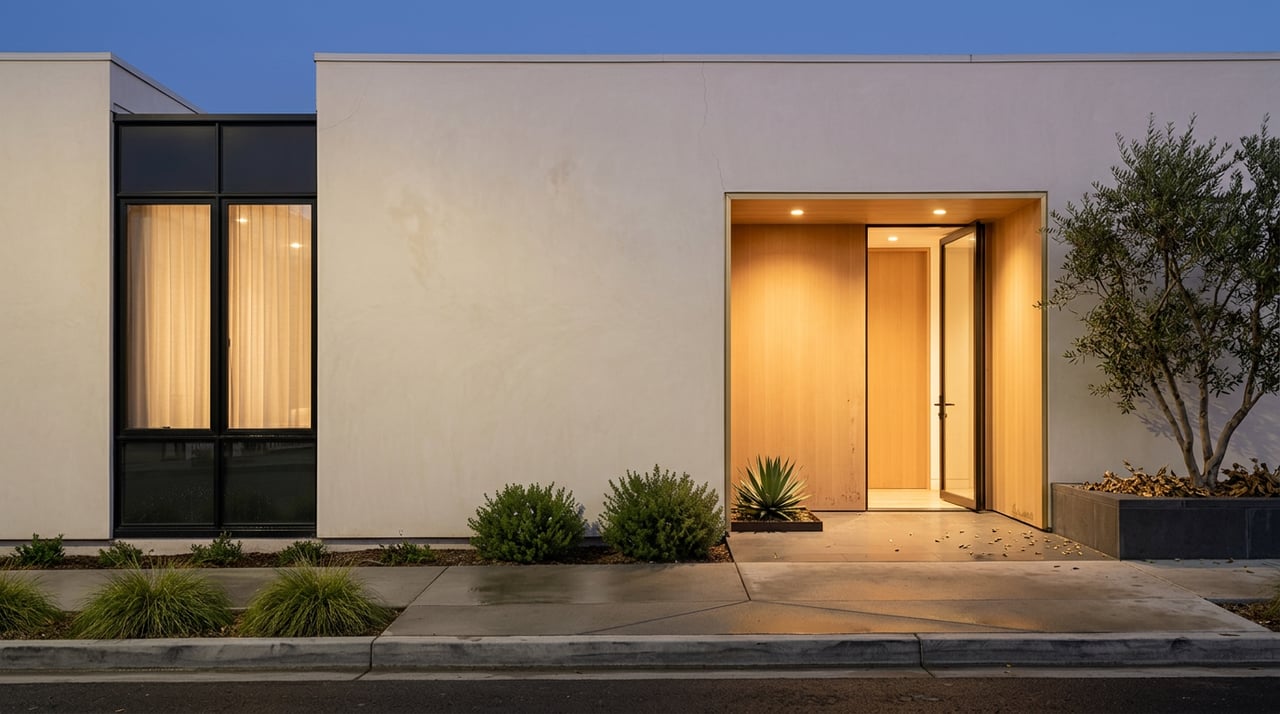
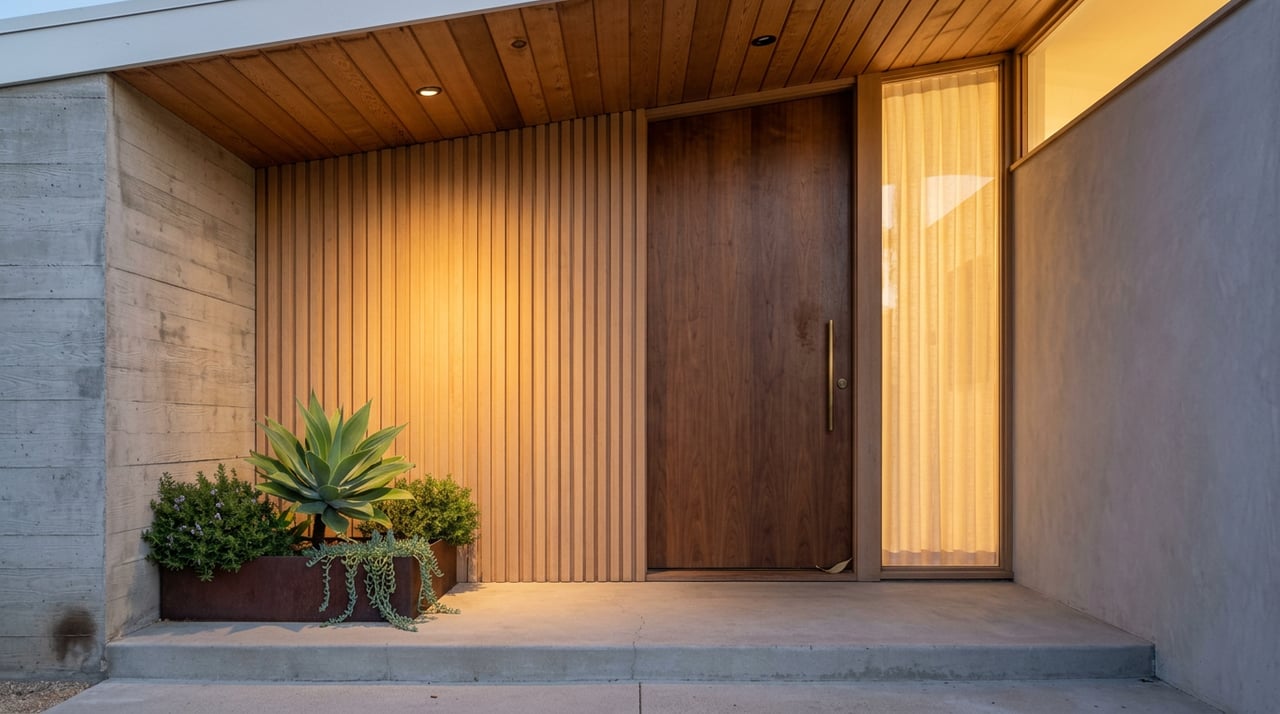
Contemporary homes in Pasadena often include mid-century modern properties and newer construction. While these are not the same category, buyers often group them together because both can offer a more modern living experience.
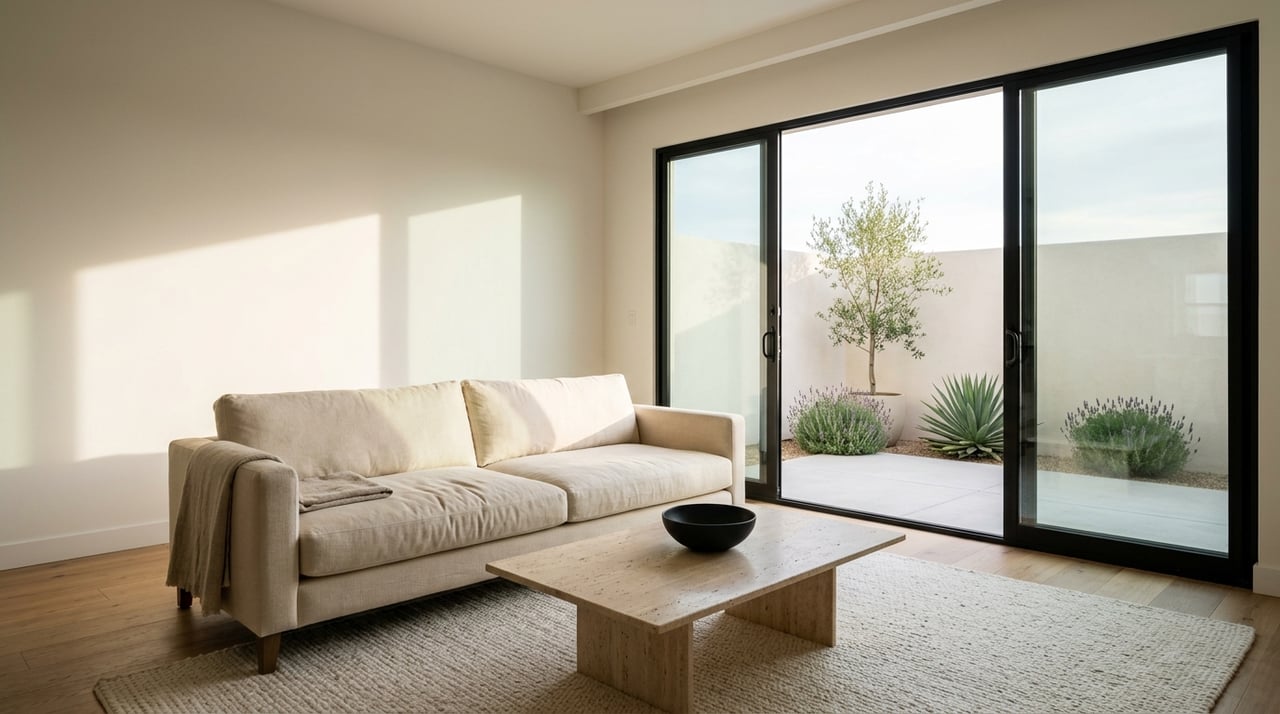
Pasadena’s postwar modern homes are known for open plans, efficient layouts, large expanses of glass, and strong indoor-outdoor flow. If you want more sightlines, flexible living space, and a design that supports today’s routines, this style may feel more natural.
Newer construction can also offer benefits that go beyond layout. Certified new homes are built from the ground up for better energy efficiency, comfort, durability, health, and overall performance, which can make everyday ownership feel more predictable.
The best choice often starts with how you want to live. If you picture a home with original detailing, separated rooms, and a strong sense of architectural history, a historic Pasadena property may feel more rewarding.
If your priority is a large kitchen, open shared spaces, home office flexibility, and easier indoor-outdoor entertaining, contemporary or mid-century style homes may fit better. These homes often align more closely with how many buyers use space today.
Neither option is automatically better. The right fit depends on whether you value character first, convenience first, or a careful balance of both.
Maintenance is usually the biggest day-to-day difference between historic and contemporary homes. Older homes are more likely to have aging electrical systems, older plumbing, less efficient insulation, and foundation issues that may need attention over time.
That does not mean a historic home is a poor choice. It means you should go in with a clear understanding that specialized upkeep and periodic repairs may be part of ownership, especially if period-appropriate materials are needed.
Contemporary and newer homes are often easier to maintain in the near term. Because age can signal future costs such as roof or HVAC replacement, newer properties may make budgeting feel simpler, especially if you want fewer surprises in the first few years.
If you are considering a designated historic property or a home in a landmark district, Pasadena’s local review process is important. The city requires a Certificate of Appropriateness for certain exterior work visible from the street, as well as for new construction and demolition in designated areas.
Commonly reviewed items include windows, porches, additions, fences, and garages. That means changes that might seem straightforward elsewhere can require city review in Pasadena.
Some items are generally exempt. Interior alterations, landscaping, paint colors, solar panels, and routine maintenance are typically not part of that review process.
Timing matters too. The city notes that the review process can add about two months, so buyers should factor that into renovation plans and project schedules.
Historic ownership in Pasadena can come with benefits as well as responsibilities. One of the most important programs to know is the Mills Act, which allows qualifying designated historic properties to seek property tax reductions in exchange for maintaining historic character under established standards.
That does not apply to every older home, and eligibility should always be verified. Still, for the right property, it can be a meaningful part of the financial picture.
This is one reason it is worth looking at total ownership cost rather than just the purchase price. A home with more maintenance demands may also come with incentives that affect long-term affordability.
Resale is rarely as simple as “historic always wins” or “newer always sells faster.” The reality is more property-specific.
A 2025 study found that National Register listing was associated with roughly 9% to 12% value increases, while local historic district designation showed more mixed effects after accounting for overlap. The same study also found more permitted renovations and less new construction or subdivision in local districts.
In Pasadena, where architectural legacy is actively preserved and promoted, well-kept historic homes may attract a narrower but highly motivated buyer pool. Contemporary homes, on the other hand, often benefit from turnkey condition, open layouts, and lower near-term maintenance concerns.
If resale matters to you, think about future buyer appeal through the lens of condition, usability, and ownership costs, not style alone.
If you are torn, this framework can help:
This is where careful planning matters most. A beautiful house is only the right house if it fits your lifestyle, your risk tolerance, and your long-term budget.
Before you move forward on a Pasadena home, make sure you confirm the details that can affect ownership after closing. This step is especially important when comparing older homes with newer or updated alternatives.
Here is a practical checklist:
Older homes are more likely to contain lead-based paint, and renovation work that disturbs pre-1978 paint must follow lead-safe practices. That is not a reason to avoid a home, but it is a reason to approach renovations with care and proper planning.
In Pasadena, choosing between historic and contemporary is not just about appearance. It is about how you want to live, what level of upkeep feels reasonable, and how you want to balance charm, convenience, and long-term value.
Some buyers are happiest in a Craftsman or Spanish Colonial Revival home that reflects the city’s architectural heritage. Others want the open flow, efficiency, and easier maintenance path that often comes with mid-century modern or newer construction.
The smartest decision is usually the one made with precision. When you evaluate condition, designation status, costs, and lifestyle fit together, you are far more likely to choose a home that feels right now and still makes sense years from now.
If you want thoughtful guidance as you compare Pasadena homes, Karen Khachatrian offers personalized, detail-focused support to help you assess value, weigh tradeoffs, and move forward with confidence.
Stay up to date on the latest real estate trends.
Experience a level of service defined by discretion, precision, and excellence.