June 25, 2026
June 25, 2026
If you want a Los Angeles area lifestyle that blends short errands, local dining, and easy access to trails, Glendale deserves a closer look. The city is not one single walkable district, and that is part of what makes it appealing. You can choose between lively retail streets, quieter village-style pockets, and foothill green space depending on how you want to live day to day. Let’s take a closer look.
Glendale works best when you think of it as a city with several distinct activity hubs. City planning material points to places like downtown Glendale, Montrose, Kenneth Village, and Adams Square as key mixed-use or village-style areas, though each one feels a little different.
That matters if you are buying, renting, or investing here. Instead of asking whether all of Glendale is walkable, it is more useful to ask which part of Glendale matches your routine, whether that means coffee runs, dining out, shopping, or quick park access.
Downtown Glendale is the city’s biggest concentration of retail, dining, and entertainment. City information describes the area as a place with specialty stores, fine dining, movie theaters, nightclubs, live performance theaters, and the Glendale Galleria, all tied together in a district that mixes shopping, housing, and activity.
If you like having a lot within reach, this part of Glendale stands out. The Americana at Brand adds another major destination with a broad mix of shopping and dining, including national brands, cafes, and restaurants that make it easy to combine errands with a meal or evening out.
The downtown core also benefits from planning focused on a more integrated district. City planning documents emphasize transit-priority streets and an approach designed to reduce congestion, which supports a more connected daily experience for residents and visitors.
If you prefer a smaller-scale setting, Montrose offers a very different rhythm. Glendale describes Montrose Shopping Park as the city’s official Old Town, with a park-like main street, shops, and restaurants arranged in a pedestrian-friendly environment.
The North Glendale plan adds helpful detail here. It notes wide sidewalks, shade trees, and public parking lots that support destination shopping and dining along Honolulu Avenue. That combination gives the area a classic main street feel without making it purely tourist oriented.
Montrose also functions as an everyday neighborhood center. A weekly certified farmers’ market and the presence of Montrose Library on Honolulu Avenue help make the district feel useful for regular routines, not just occasional outings.
Kenneth Village offers a calmer village-center atmosphere. City material describes it as having walkable community amenities within a suburban village streetscape, which may appeal to buyers or renters who want convenience without the pace of a larger commercial district.
Food and coffee options along Kenneth Road help support that lifestyle. Glendale’s restaurant directory places spots like Coffee Commissary and Mi Corazon Mexican Restaurant in the area, giving residents a few nearby destinations that can become part of a regular routine.
For some people, this is the sweet spot. You still get local amenities, but the setting feels more understated and residential in character.
Adams Square is another mixed-use village-center area worth knowing about, but it helps to view it with nuance. The city notes that it includes older and newer commercial buildings within a residential neighborhood.
At the same time, Glendale also notes that Adams Square is not especially pedestrian oriented overall. So while it has a neighborhood-center role, it does not offer the same kind of walkable experience many people associate with downtown Glendale or Montrose.
Glendale’s outdoor access is one of its strongest lifestyle advantages. The city manages more than 5,000 acres of natural open space, along with more than 30 miles of fire roads and 7.5 miles of single-track trails used by hikers, joggers, dog-walkers, and mountain bikers.
That means Glendale living is not only about shopping streets and dining corridors. It is also about being able to move from neighborhood errands to foothill trails and park space without planning an entire day around one activity.
Brand Park is one of Glendale’s most useful green spaces for daily life. The 31-acre park sits at the base of the Verdugo Mountains and includes hiking and biking trails, picnic areas, a playground, and a seasonal wading pool.
It also offers cultural amenities that give the park a broader role in the community. Brand Library & Art Center and the Whispering Pine Tea House & Friendship Garden make it more than just a place to exercise.
For buyers and renters who value balance, this is an important part of the Glendale story. You can have access to urban conveniences and still be close to a park that supports quieter outdoor time.
If you want more extensive open space, Deukmejian Wilderness Park stands out. Glendale describes it as a 709-acre foothills park with chaparral, sage scrub, trails, and the Stone Barn Nature Center.
The city also operates a free weekend Wander the Wilderness Bus shuttle to help people reach the park. That is a practical detail that supports Glendale’s broader pattern of making outdoor access part of everyday life, not just an occasional destination.
One of Glendale’s strengths is that its housing character changes from one area to another. North Glendale is described as having a strong residential character, with grid-street single-family neighborhoods in places like the Crescenta Highlands, the Avenues, and Sparr Heights, along with hillside neighborhoods such as Glenwood, Whiting Woods, Oakmont Woods, and parts of Montecito Heights.
Near Montrose Shopping Park, the city notes that multifamily residences cluster on Montrose, Honolulu, and Piedmont, and that mixed-use buildings can integrate housing and services on Honolulu Avenue. That can be useful if you want a more walkable setting with nearby shops and dining.
Downtown Glendale presents yet another option. Planning documents show that the Town Center area is intended to support a residential base with both rental and for-sale housing alongside retail and entertainment, which creates a different experience from Glendale’s hillside and village neighborhoods.
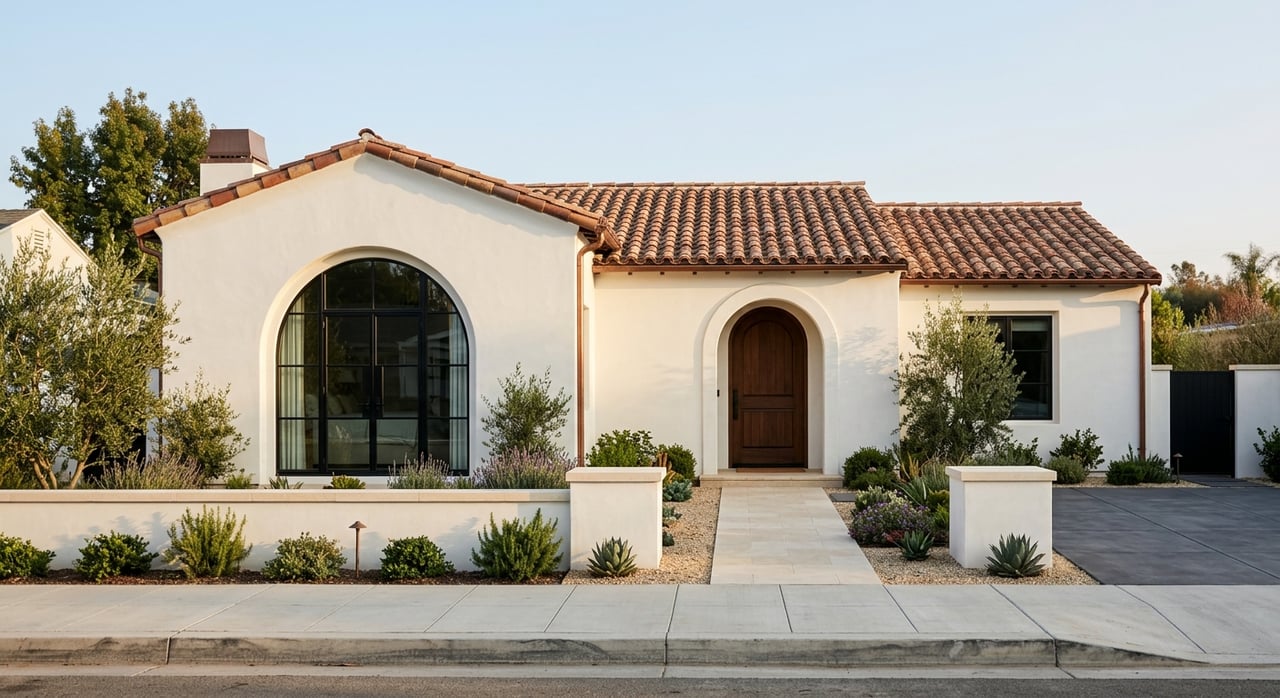
If you are drawn to architecture and established streetscapes, Glendale offers some notable older residential areas. In Brockmont Park, the city identifies a historic district of 58 single-family homes that includes Period Revival homes from the 1920s and 1930s, along with later Ranch-style homes on tree-lined streets.
Rossmoyne Historic District adds another layer of housing character. The city describes 503 homes there, including Spanish Colonial Revival, Tudor Revival, and French-inspired architecture.
These areas help show that Glendale is not defined by one housing type. Depending on where you look, you may find village-adjacent multifamily options, downtown condos, hillside homes, or older neighborhoods with established architectural styles.
Glendale’s transportation support helps connect these lifestyle pockets. The city offers Beeline service, the Larry Zarian Transportation Center, and downtown public parking structures with 90 minutes of free parking.
For many residents, that means you can piece together a day more easily. You might run errands downtown, meet someone for coffee in Montrose, or head toward open space without relying on a long drive for every stop.
The best way to think about Glendale is as a collection of strong lifestyle nodes rather than one uniform experience. Downtown Glendale brings bigger retail and entertainment energy. Montrose offers a classic main street setting. Kenneth Village feels quieter and more local. Brand Park and Deukmejian add meaningful outdoor access.
That variety is important when you are deciding where to live. Your ideal fit may depend less on Glendale as a whole and more on whether you want a condo near downtown activity, a home near village-style shops, or a residential area with easier access to foothill trails and green space.
If you are weighing Glendale against nearby communities, a focused neighborhood-by-neighborhood strategy can make the decision much clearer. For personalized guidance on Glendale homes, condos, rentals, or investment-minded opportunities, connect with Karen Khachatrian.
Stay up to date on the latest real estate trends.
Experience a level of service defined by discretion, precision, and excellence.